I share stories old enough to rescue our imagination.
It’s a communal thing, storytelling. It works best when it's more of a gathering than a monologue. The experience is for everyone to learn from and enjoy, and when done right, it brings people closer together.I personally think we could all do with a little more of that these days. A reminder about where we've been and how our struggles are not unique to us couldn't hurt, either.Here's a little more on how and why I share stories, and what they have to remind us when we circle up to hear them:
Mentions
"James tells old folktales and stories in a way that makes you feel like you’ve wandered straight into them."
"James is the modern bard. A poet, musician, and teller of stories."
"He’s one of the best storytellers you’ll ever hear!"
How I share stories
Old stories have a lot to tell us—things our modern sources of information haven’t quite caught up to. They can show us who we can be if we make more courageous choices. How comfort can be every bit as dangerous as adversity. They help us recognize the Percivals and Peter Pans in our own lives, and in ourselves.It used to be that just listening to these stories was enough to learn their lessons. Today, most of us can do with a little guidance.Instead of an archetype seminar or a lecture on comparative literature, we’ll do something a little older (and definitely a lot more fun). First, I’ll share a story. No script, book, presentation or slides—just my voice and our imagination. Then, we’ll sit with the story awhile through an informal discussion. We’ll talk about what we saw, the specifics of the images, and where we tended to linger.Here are some examples, along with a little more on the kinds of stories I like to share:

Saints & Wonder
Saints’ stories can rekindle our sense of wonder like none other. When given proper attention, they can show us how faith and imagination are supposed to work and play together.These stories aren't about theology or catechesis. Instead, we'll talk about imagery, the relationship between faith and imagination, and how both can help us in our own time.
Myth & Ecology
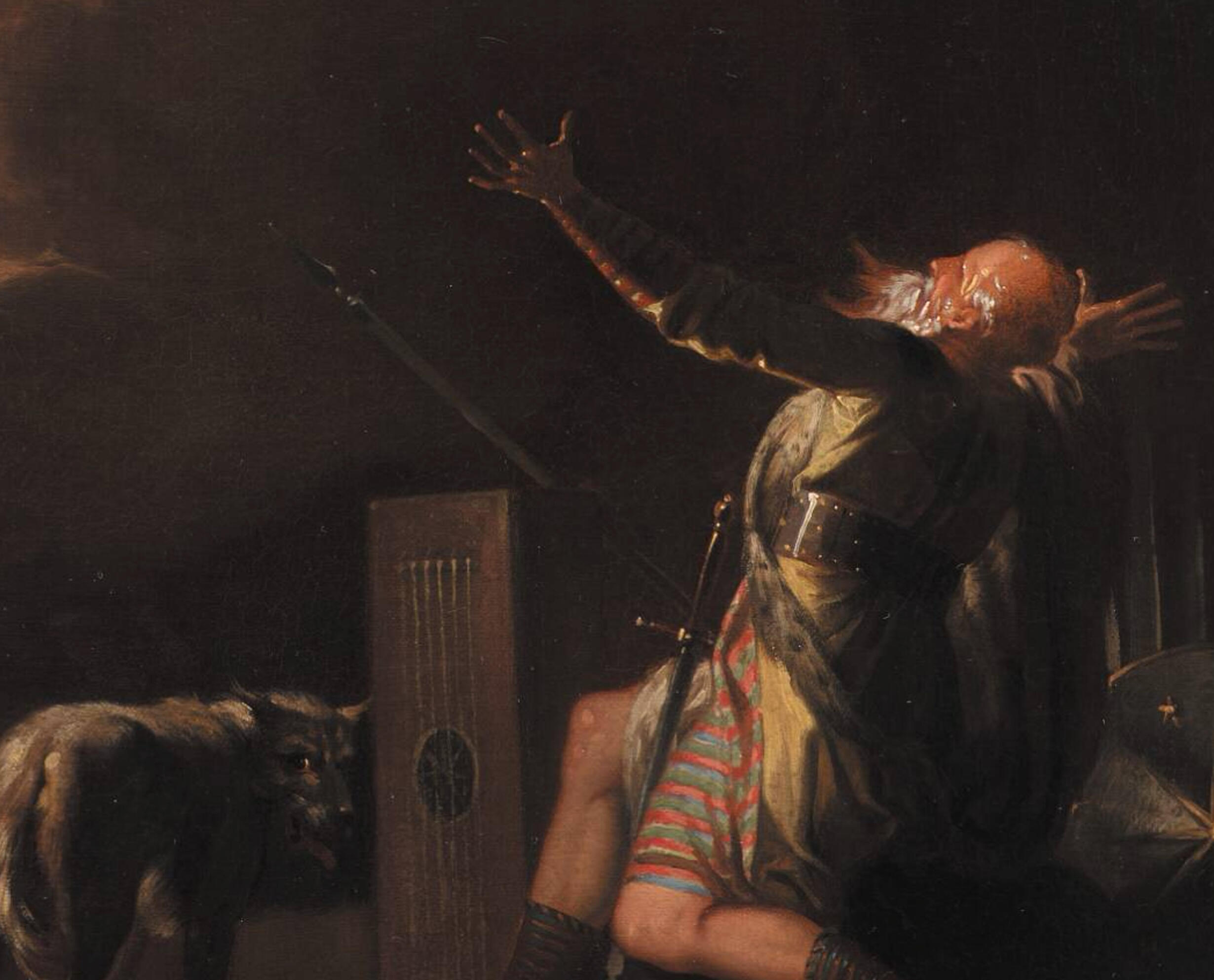
Displacement is big in today’s culture. We feel disconnected from our past, the places that brought us up—heck, where our food comes from is often a mystery.Myths are an old way to reconnect—to the land, our ancestry and our shared story. I have a few I like to share that have helped me see these relationships in a new light. I think they can help others do the same.
Old Stories & Modern Problems
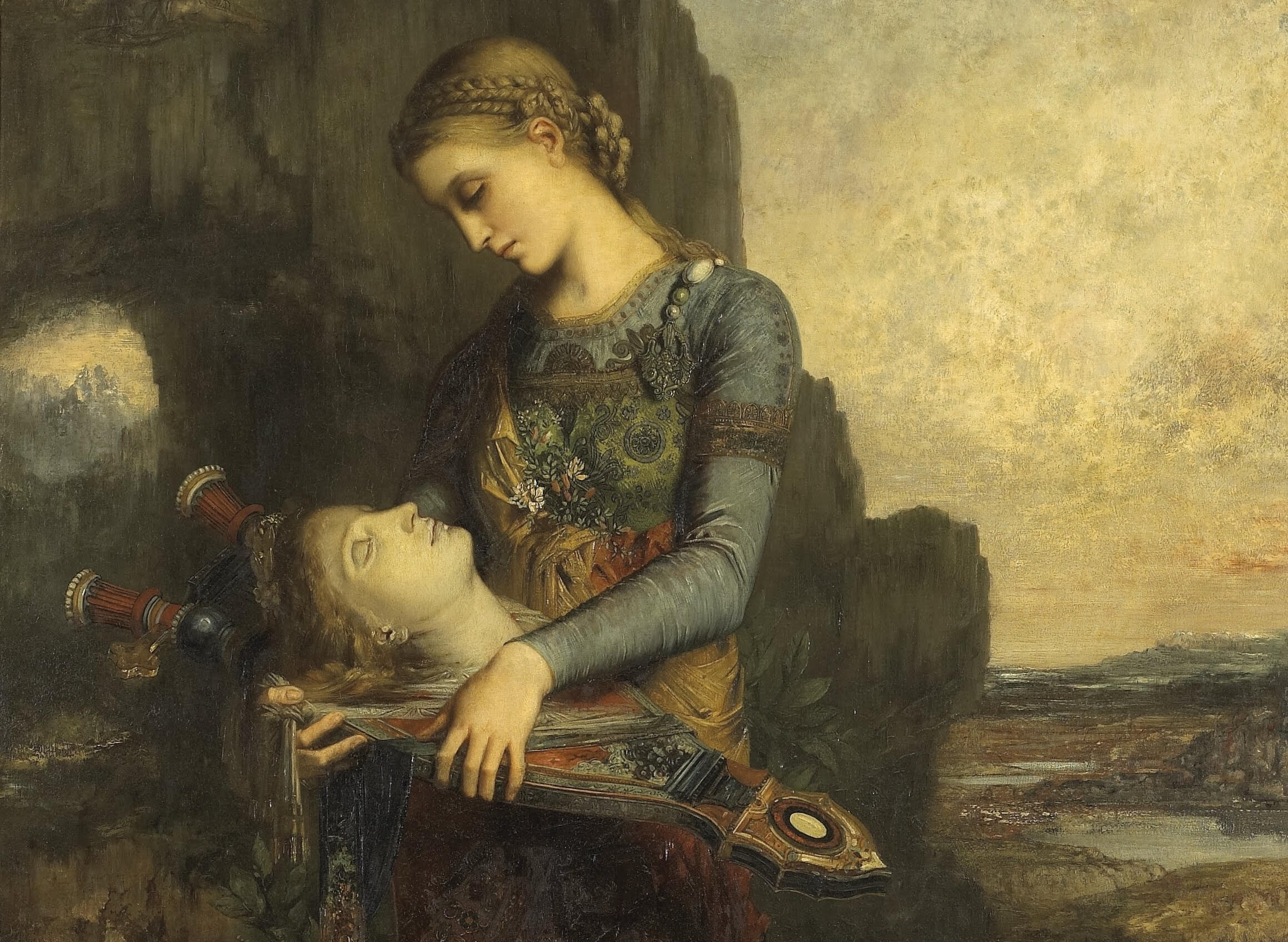
Modern life is never lacking for new challenges, is it? Fortunately, most are nothing new.Legends have a lot to teach us about how to appraise our present, what separates our advocates from our adversaries, and how none of our problems are all that isolated or unique. The ones I return to have helped me do just that.
About me

I was born in Western Maryland and spent my childhood either on skis or on a bike. At James Madison University, I studied and obtained a B.S. in Environmental Science. Later, at the University of Technology, Sydney, I completed a Master of Arts in Creative Writing. I am also a member of the Voices in the Glen storytelling group and the National Storytelling Network.